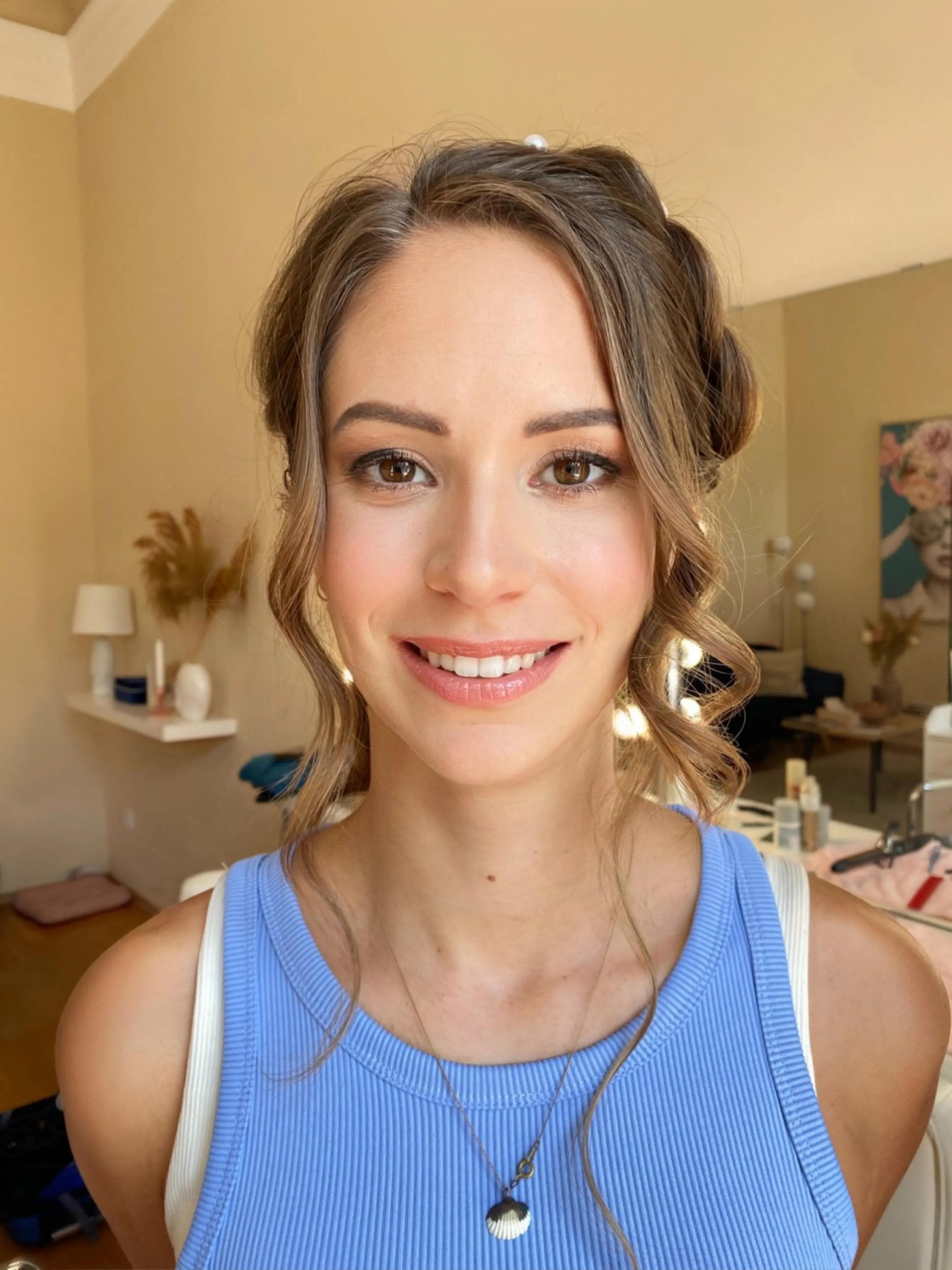
The Complete Bridal Skincare Timeline: 6 Months to Wedding Day
From six months out to the morning of your wedding, here's exactly what your skin needs - and when - so you walk down the aisle glowing.
Rima Zania
Professional Makeup Artist · Toronto
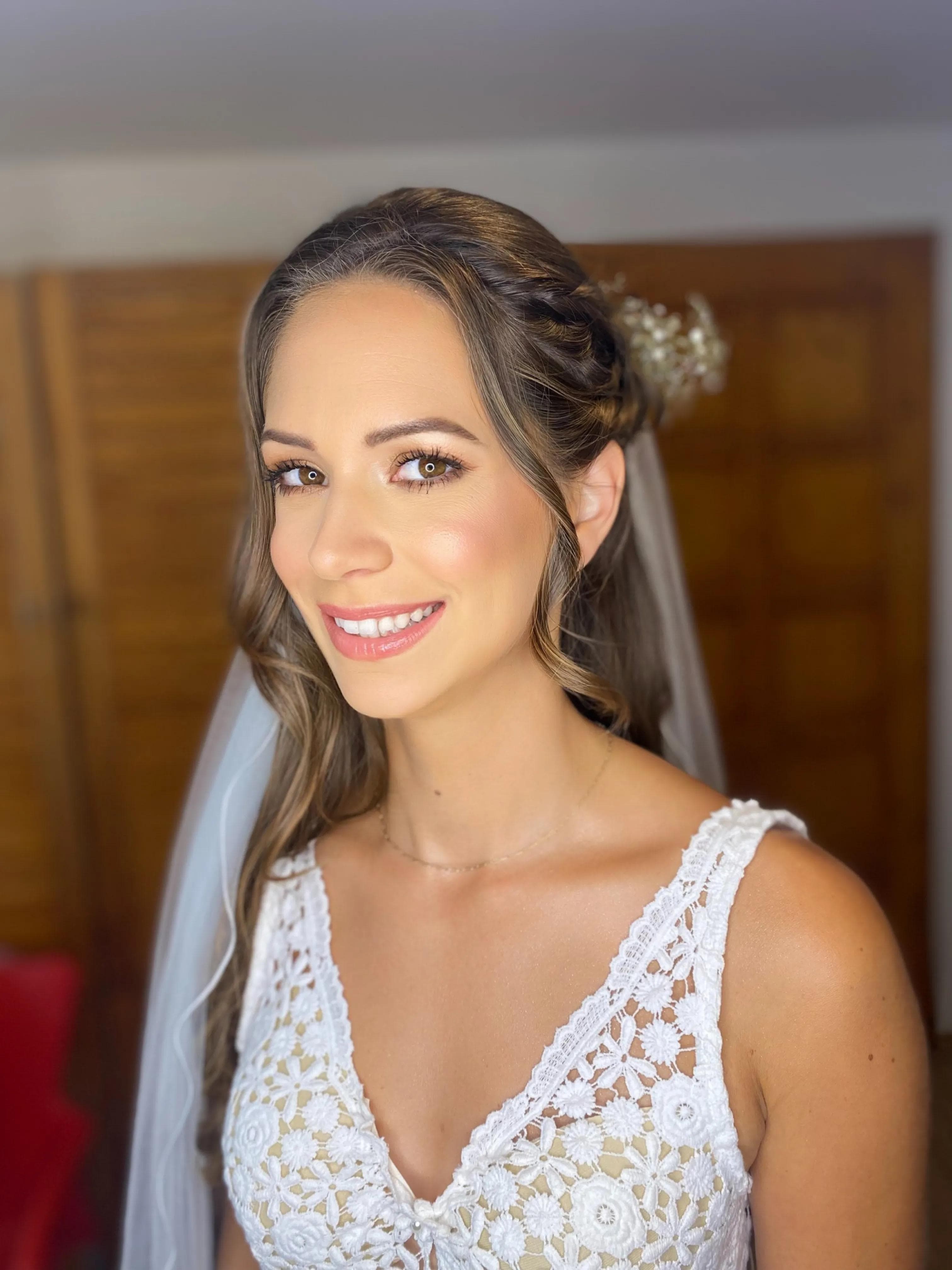
Quick Answer: A complete bridal skincare timeline in Canada starts six months before your wedding day. It begins with a dermatologist or esthetician consultation, moves through monthly facials, active ingredient introductions, and product refinement, and ends with a gentle, hydration-focused routine the final two weeks before you say "I do." The earlier you start, the better your skin will behave on the day that matters most.
The Complete Bridal Skincare Timeline: 6 Months to Wedding Day
I've done makeup for a lot of brides - and I mean a lot. Over 16 years across three continents, from intimate garden ceremonies in Jakarta to lavish winter weddings here in Toronto. If I've learned one thing sitting across from a bride in my chair, it's this: the most beautiful wedding makeup I've ever applied was always sitting on top of skin that had been prepared for months.
You can have the best products, the most skilled artist, and the most flattering lighting in the world. But if your skin is dehydrated, congested, or breaking out, makeup will only do so much. So let's talk about what actually works - and when to do it - so your skin is genuinely ready on the day that counts.
6 Months Out: Lay the Foundation
Six months feels far away. It isn't. This is your most valuable window, and most brides waste it because they think "there's plenty of time."
Start with a skin consultation. Book with a licensed esthetician or dermatologist before you do anything else. I can't tell you how many clients come to me two weeks before their wedding having just started a new retinol or switched to a new cleanser. That's a recipe for a reaction right when you need your skin at its best. Before you invest in a single new product, get a professional read on what your skin actually needs.
Establish your baseline routine. At six months out, your job is to nail down a consistent morning and evening routine you can stick to. Cleanser, moisturizer, and SPF - every single day. That's your floor. If you're not consistent here, nothing else will work.
Prioritize sleep and hydration. I know, I know. You've heard this a thousand times. But it's remarkable how different two people's skin can look based purely on sleep quality and water intake. Start treating these as non-negotiables now, not the week before your wedding.
Book your first facial. A monthly facial starting at six months gives your esthetician six chances to work on your skin before your wedding day. The first appointment is mostly diagnostic - they see what they're working with and begin the process. Don't expect a miracle on day one. Do expect a clear plan.
5 Months Out: Introduce Active Ingredients
If retinol, vitamin C, AHAs, or prescription-strength actives are part of your plan, this is when you introduce them - carefully.
The Canadian climate matters here. Our winters are brutal. If your wedding is in June and you're starting retinol in January, you're working against dry, cold air and indoor heating at the same time. Your skin will be more sensitive, and you'll need to be more intentional about barrier support. Layer your hydrating products under your actives and never skip SPF.
Start low and slow. If you've never used a retinoid before, don't start with a high-strength formula. Begin once or twice a week and build from there. The goal over these next few months is to get your skin accustomed to actives so they're doing effective, steady work - not causing inflammation you have to put out.
Track your skin's responses. Start a simple skin journal. Take photos in the same lighting once a week. Write down any reactions, breakouts, or changes in texture. This becomes incredibly useful for your makeup trial later, because I'll want to know what products you're using and how your skin reacts to certain formulations.
4 Months Out: Focus on Specific Concerns
By now, your skin should be responding to your routine. This is the phase where you address targeted concerns - hyperpigmentation, texture, acne, dullness - with intention.
Book your second and third facials. Your esthetician should be doing progressively more effective treatments now that your skin is conditioned and they know it better. Chemical peels, microdermabrasion, or LED therapy might come into play depending on your concerns.
Don't try new things impulsively. Wedding season brings a flood of Instagram ads for new serums and devices. Resist. Your skin is in a rhythm. A reactive, impulsive purchase can set you back weeks.
Review your diet. I'm not a nutritionist, but I've seen dairy, sugar, and alcohol consistently aggravate breakout-prone skin in my clients. This isn't about deprivation - it's about awareness. If you're heading into engagement season parties, just notice how your skin responds and adjust accordingly.
3 Months Out: Lock In Your Trial and Routine
Book your makeup trial. If you haven't booked your makeup artist yet, do it now - especially if you're marrying during peak season (June through September in Toronto). Trials and wedding day dates fill fast.
For the trial, you'll want to come in with skin that reflects what you're actually doing day-to-day. Don't try a new moisturizer the day before. Show up as your consistent, current self.
Your routine should feel effortless by now. If you're still forgetting to apply SPF or finding your cleanser irritating, something needs to change. Three months out is still enough time to troubleshoot. Six weeks out is not.
Address any lingering concerns with your esthetician. Hormonal breakouts, texture along the jawline, congestion around the nose - these things often need time and consistency to resolve. If you haven't seen consistent improvement, it's worth asking whether your current protocol is right for your skin type.
2 Months Out: Elevate Your Hydration
Your skin's biggest wedding-day job is to hold onto moisture. Makeup applies beautifully over hydrated skin and breaks down on dehydrated skin. This is the phase where hydration becomes your number one focus.
Add a hyaluronic acid serum if you haven't already. Apply it to damp skin before your moisturizer for maximum effect. In Canadian humidity levels - especially interior-heated dry air in winter - your skin is constantly losing moisture it needs to retain.
Cut the aggressive actives in frequency. You don't need to stop retinol entirely, but back off to once a week. Your goal now is reinforcing your skin barrier, not stimulating cellular turnover. Save the heavy exfoliation for your esthetician to manage.
Book your final facial - timed right. I recommend a hydrating, gentle facial about four to six weeks before your wedding. Nothing too active or aggressive. This facial should calm, plump, and prep. Save the extraction-heavy or peel-forward treatments for earlier in your timeline.
1 Month Out: Refinement and Rest
You should not be introducing anything new to your routine at this stage. If you are, something went wrong in the earlier months. Now is the time to:
Lock in your wedding-day skincare - what you'll use from the night before through the morning of your ceremony. Practice it. See how your skin looks after this exact sequence before your trial or your wedding day itself.
Communicate with your makeup artist. Share your full routine with them, especially what you're putting on your face the morning of the wedding. Certain primers, sunscreens, and moisturizers don't play well with all foundations. Your artist should know exactly what you're working with.
Prioritize sleep with intention. Start setting your sleep schedule, not just for the night before the wedding but for the full month leading up to it. Sleep debt shows on skin. Puffiness, dullness, loss of elasticity - these are all sleep-debt symptoms.
The Final Two Weeks: Simplify Everything
This is where many brides overcorrect out of anxiety - they add something new, they try a last-minute peel, they read a Reddit thread and buy a new $80 serum. Please don't.
The two-week rule: nothing new on your skin for the two weeks before your wedding. No new products, no new treatments. Only your established, proven routine.
Go gentle. Switch to your most hydrating, nourishing versions of everything. If you have a lighter and a richer moisturizer, reach for the richer one. If you have a gentle and a more active cleanser, reach for the gentle one.
The night before: Apply your moisturizer generously and get to sleep early. That's genuinely the best thing you can do. No mask, no special treatment, no last-minute anything. Trust your timeline. You put in the work months ago.
The Morning Of: Keep It Simple
Cleanse gently. Don't over-strip your skin right before makeup application.
Apply your moisturizer and let it absorb fully - at least 15 minutes - before your makeup artist begins. Ideally, you've discussed this with your artist and you're using a moisturizer they've vetted.
Skip heavy SPF formulas under makeup unless your artist has tested it with your foundation. Many mineral sunscreens leave a white cast or separate under coverage. Discuss this with your artist in advance.
Drink water. Eat something. I've had brides faint in my chair from skipping breakfast. Your skin needs nutrients. Your body needs food. A good meal and proper hydration will show on your face, I promise.
One Final Thought
The best thing a bride can do for her skin is also the hardest thing: start early and stay consistent. It's not glamorous advice. It doesn't sell anything. But after 16 years, I can tell you without hesitation - the brides who started their skincare six months out and stuck to the plan always look different in their photos. Not better because of what I did in the chair. Better because of what they did in the months before they ever sat down in it.
Frequently Asked Questions
How far in advance should I start a bridal skincare routine in Canada? I recommend starting at least six months before your wedding day. This gives you time to have a professional skin assessment, introduce active ingredients safely, address specific concerns, and let your skin fully adjust before your wedding. In Canada, seasonal considerations - particularly dry winters and humid summers - affect how your skin responds, so starting early gives you room to adapt.
Do I need a dermatologist, or is an esthetician enough? It depends on what you're dealing with. If you have active acne, significant hyperpigmentation, or a skin condition like rosacea or eczema, a dermatologist is the right first call. For general skin prep, texture refinement, and hydration-focused treatments, a licensed esthetician is excellent. Ideally, see a dermatologist for a baseline assessment and work with an esthetician for ongoing treatments.
Can I still start bridal skincare prep if I'm only three months out? Absolutely - three months is still a meaningful window. You won't have time for the most intensive treatments, but you can establish a consistent routine, have two or three targeted facials, and get your hydration levels into a good place. Just be disciplined about not trying anything new too close to the date, and communicate openly with your makeup artist about where your skin is at.
What's the biggest skincare mistake brides make? Trying something new too close to the wedding. I see it all the time - a bride reads about a new product the week before and decides to try it. Reactions, breakouts, and sensitivity don't care about your wedding date. The two-week-before rule exists for a reason: nothing new on your face in those final two weeks, full stop.
How does seasonal weather in Canada affect bridal skin prep? Significantly. Winter weddings mean your skin is fighting dry indoor heat and cold outdoor air, which depletes moisture rapidly. You'll need to double down on humectants and barrier-support ingredients. Summer weddings mean higher humidity (helpful for hydration) but potentially more sweat, congestion, and sensitivity to sun exposure. Your actual routine should be adapted to the season your wedding falls in, which is another reason to work with a skincare professional who can factor this in.
#bridal skincare#wedding prep#skincare timeline#Toronto bride#Canada wedding
Written by
Rima Zania
Toronto-based makeup artist with 16+ years of experience in bridal, editorial, and fashion beauty.
Learn more about Rima →Keep Reading
You Might Also Enjoy

Ready to book your session?
Inspired? Bring your vision to life with Rima. Whether it's a bridal trial, editorial shoot, or a special night out - let's create something stunning.
Book with Rima