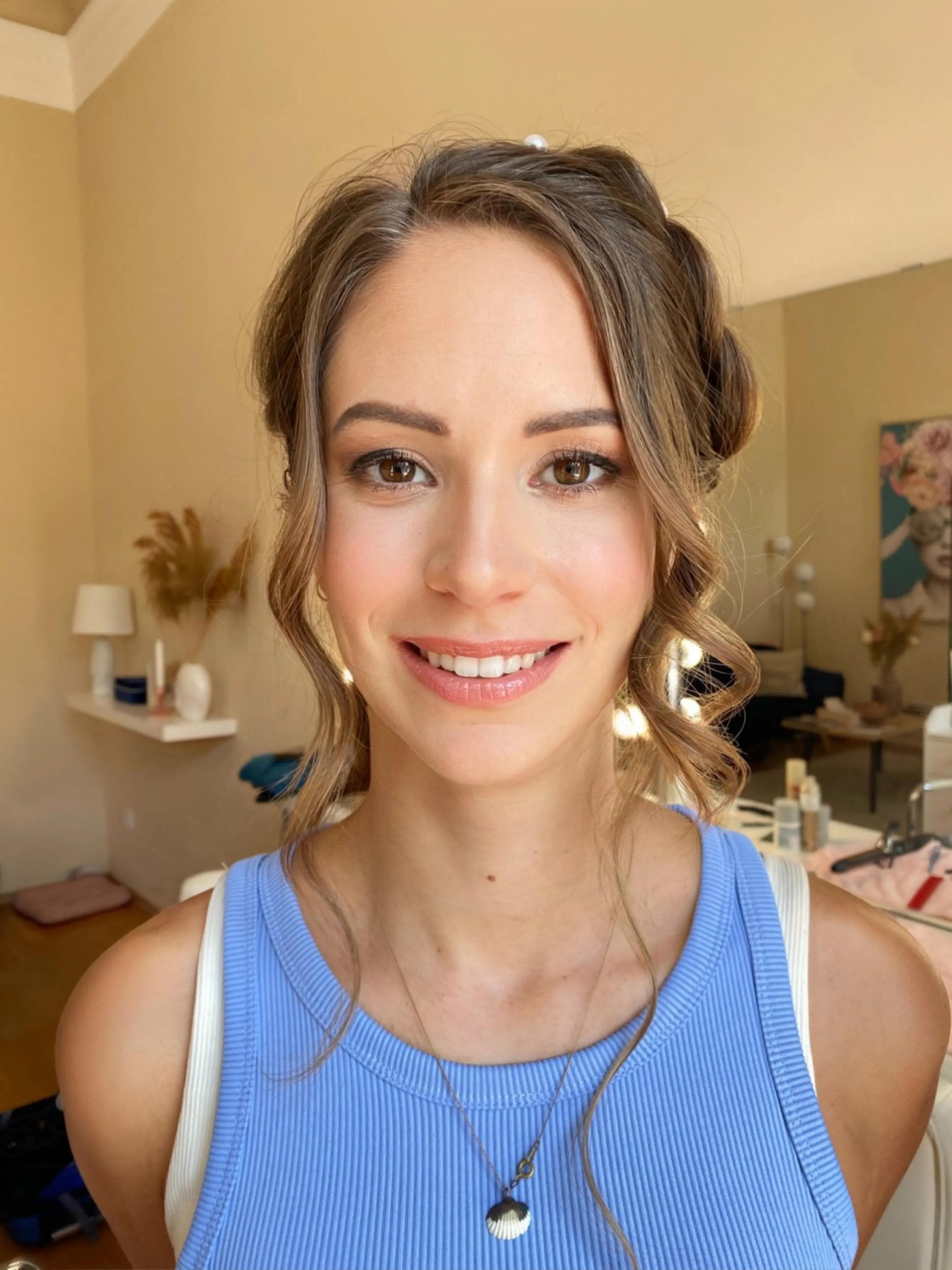
Everything Brides Get Wrong About Their Makeup Trial
The makeup trial is your most valuable appointment before your wedding day - and most brides waste it. Here's what to actually do, ask, and watch for.
Rima Zania
Professional Makeup Artist · Toronto
Quick Answer: The most common mistakes brides make at their makeup trial include booking it too early or too late, not wearing the right clothing, coming with bare skin instead of their usual skincare routine, not communicating their vision clearly, and failing to test the look in real conditions - outdoors, in photos, and over several hours. A great trial is a working session, not a preview. Treat it that way.
Everything Brides Get Wrong About Their Makeup Trial
I want to be straightforward with you about something most makeup artists won't say out loud: a significant number of makeup trials don't actually work the way they should. Not because of the artist. Not because of the bride. But because nobody told the bride what a trial is really for.
A makeup trial is not a preview of your wedding day look. It's a working session - a test environment where we figure out what works, troubleshoot what doesn't, and establish the exact plan we'll execute on your wedding day. When brides come in expecting to see a finished, beautiful result, they sometimes leave disappointed because the process didn't feel as clean or certain as they imagined.
When they come in understanding it's a collaborative working session, they leave informed, empowered, and excited. That's the difference I want to create for you.
Let me walk through every mistake I see - some of them regularly - so you can avoid them.
Mistake 1: Booking Your Trial Too Early or Too Late
The timing of your trial matters more than most guides tell you.
Too early - say, six to eight months before your wedding - creates a problem: your skin, your confidence with communicating your vision, and your artist's understanding of your face will all evolve between that trial and your wedding day. A trial that far out is often redone anyway, and you've paid for two trials when one well-timed one would have been enough.
Too late - a week or two before your wedding - leaves no room for adjustment. If the foundation shade isn't perfect, if the lash style isn't right, if you realize you want something different, there's no time to fix it. You go into your wedding day with unresolved questions.
The sweet spot is six to eight weeks before your wedding day. This timing gives you enough runway to source different products if something doesn't work, adjust your skincare in response to anything we notice, and book a follow-up session if you really want significant changes.
In Toronto's peak wedding season - roughly May through September - good artists book up fast. Please don't wait until you're three weeks out to start thinking about this.
Mistake 2: Coming With Bare Skin
I understand the impulse. You want to arrive fresh so your makeup artist has a clean canvas. But "bare" is not the same as "clean."
Here's the issue: your wedding day skin is not bare skin. It's skin with your morning skincare routine on it - your cleanser, your moisturizer, whatever SPF or serum you use. If your makeup is applied over bare skin at the trial and over your full routine on the wedding day, we're testing two completely different surfaces. The makeup may behave differently.
What to do instead: Come to your trial with your exact intended morning-of routine on your skin. Whatever you plan to apply on your wedding day - cleanser, toner, serum, moisturizer - apply it the morning of your trial and let it absorb for at least 30 minutes before you arrive. Tell your artist exactly what you used.
This lets me see how your specific products interact with the foundation, primer, and other products I'll use. If your moisturizer and my primer don't play well together - if they pill, or if your skin immediately starts getting shiny through the foundation - I need to know that now.
Mistake 3: Not Wearing the Right Clothing
This comes up constantly and most brides don't expect it.
If you come to your trial in a high-neck shirt or a dark shirt that pulls over your head, we end up with foundation on your collar and a scramble to get it off. More importantly, it means you can't see yourself in your trial photos the way you'll look on your wedding day.
Come to your trial in a light-coloured, low-neck top - a button-front shirt works well. Even better: if you can find a top similar in neckline to your wedding dress, wear that. Looking at your face framed against white or ivory fabric tells you so much more about whether your skin tone, lip colour, and eye look work together relative to your dress.
If your dress has a specific jewel or neckline detail, bring a photo so we can consider how the overall look integrates.
Mistake 4: Bringing Inspiration Without Context
Inspiration images are extremely helpful. I ask every client to bring them. But the way you use them matters.
Bringing a photo of a look you love and saying "I want this" often creates a disconnect when the look doesn't account for the difference in face shapes, skin tones, eye shapes, or lighting between you and the person in the photo. What reads as a subtle smoky eye on one person can read as heavy and overwhelming on another. What's romantic and glowy on certain skin tones can disappear on others.
How to use your inspiration images effectively:
Lead with feelings, not outcomes. Instead of "I want this exact look," try "I want to feel glamorous but not overdone" or "I want this kind of romantic softness." This gives your artist room to interpret your vision for your specific features rather than replicating something that may not translate.
Then, use the images to identify individual elements you love. "I love the lifted lash line here." "I love this skin - dewy but not greasy." "I want this lip colour family." Specific, targeted reference points are far more useful than wholesale "I want this."
And bring photos of looks you don't like. Knowing what you want to avoid is just as useful as knowing what you want.
Mistake 5: Failing to Account for Photography
Your wedding look will live primarily in photographs. The makeup that looks most beautiful in person and the makeup that photographs most beautifully are sometimes different things.
This is especially relevant for:
Flash photography. White cast from mineral SPF under flash. Shimmer that "blows out" or becomes patchy under flash. Highlighter that reads too intense. These are all things that can look beautiful to the naked eye and be challenging in photographs.
Outdoor vs. indoor lighting. A look that's perfect for midday outdoor light may need adjustment if your reception moves inside under warm, low-key ambient lighting.
Colour accuracy. Foundation that's a perfect match in person can read slightly off in certain lighting conditions on camera.
What to do: At the end of your trial, step outside or into the best natural light available and take photos on your actual phone. Take some with flash. Send them to a friend whose opinion you trust and see how the look reads in images. This is one of the most important steps brides skip.
Don't rely solely on how you look in the artist's studio mirror. That light, flattering as it often is, is not your wedding venue.
Mistake 6: Trying to Test Longevity by Leaving Too Soon
One of your most important jobs at a trial is to see how the makeup wears over time.
Most brides leave the trial after about 90 minutes, which tells you almost nothing about how the look holds up over eight to ten hours of a wedding day.
What to do instead:
If possible, book your trial appointment during a day when you can keep the makeup on for at least four to six hours afterward. Go for lunch. Run errands. Sit in a warm car. Hug people. Eat. These are all things that happen on a wedding day and that test whether your makeup will hold.
Check yourself in different lighting environments. See where your foundation might be getting shiny, where the eye makeup might be creasing, where the lip product has faded. Send your artist a photo or text after a few hours with honest feedback on how it's holding. This is incredibly useful information they can act on for your actual wedding day.
Mistake 7: Not Speaking Up in the Moment
This is perhaps the most common mistake of all, and the one with the most consequences.
Many brides, not wanting to seem difficult or ungrateful, stay quiet when the look is going in a direction they're uncomfortable with. They tell themselves they'll get used to it, or that the artist knows best. And then they leave unhappy - or, worse, they say nothing, and I recreate the same look on the wedding day, and they're disappointed again.
Here's the thing: you're allowed to speak up. You're encouraged to. It is not rude. It is not difficult. A good makeup artist, and I'd like to think I'm one of them, wants to know in real time if something isn't working for you.
That said, there's a useful way to give feedback and a less useful way.
More useful: "The eye is a bit heavier than I imagined - could we soften the lower lash line?" or "I think I want something a bit more nude on the lip."
Less useful: "I don't know, it just doesn't feel like me." This is valid feedback emotionally, but it's hard to act on technically. Try to be specific about what you're seeing: is it the colour? The weight? The overall balance?
If you're not sure what you want different, ask your artist to name the specific choices they've made. Understanding the vocabulary - "cut crease," "lifted outer corner," "satin finish" - helps you give better feedback.
Mistake 8: Skipping the Skincare Conversation
I've covered this in other posts, but it bears repeating here specifically in the trial context.
At your trial, your artist needs to know: - Your full morning skincare routine (what you use and in what order) - Any sensitivities, allergies, or reactions you've had to makeup or skincare products - Any skin concerns you're actively managing (active breakouts, dry patches, sensitivity zones) - What SPF you normally wear, and whether you're open to adjusting it if it doesn't layer well
This isn't small talk. It directly affects what products I choose, how I prep your skin, and how the finished result looks and wears.
What a Perfect Trial Looks Like
For what it's worth, here's my ideal trial experience:
The bride arrives on time, in a light top, face prepped with her usual skincare routine. She's brought two or three specific reference images and has thought about the feelings she wants to convey. She's had a light snack and isn't arriving on an empty stomach.
We talk through her reference points and I explain what I'm going to do and why. She gives feedback freely as we go - "I love that," "can we soften that a little," "I'm not sure about that." We adjust together. By the end, the look is settled into something she feels genuinely excited about, not just resigned to.
She puts on her inspiration outfit, steps into good light, takes photos. She keeps the makeup on for the rest of the day. She texts me at the four-hour mark with honest feedback on how it's holding, any adjustments she noticed, or anything she wants to refine.
On her wedding day, I know her face, her skin, her products, and her preferences. There's no guesswork. We've already done the hard work together.
That's what a trial is actually for.
Frequently Asked Questions
How far in advance should I book a bridal makeup trial in Toronto? Ideally, lock in both your wedding day and trial booking at the same time - and do it at least six months in advance if your wedding falls between May and September. Toronto's peak wedding season is competitive, and many artists book up well ahead. For the trial timing itself, aim for six to eight weeks before your wedding day.
How long does a makeup trial usually take? A bridal makeup trial typically takes two to three hours. This allows time for consultation, the full application, adjustments, and taking reference photos in good light. Don't book anything immediately after that would pressure you to rush the final steps.
Should I bring my own makeup products to the trial? You can, particularly if you have specific products your skin responds well to, or if you're committed to using certain clean beauty formulas. Share them with your artist ahead of time if possible, or bring them along so they can assess compatibility during your session. A good artist will work with you to integrate your preferences rather than dismiss them.
What if I hate my look at the trial - is that normal? It's more common than you'd think, especially if the look is very different from your day-to-day style. Give yourself about 30 minutes to sit with a look before deciding it's wrong - sometimes the initial reaction shifts as the look settles and you see it in different light. If something specific bothers you, name it and work through it with your artist. And if, after adjustments, it's still not right, that's important information that's far better to discover at a trial than on your wedding day.
Do I need a second trial if I changed my mind significantly after the first? It depends on how significant the change is. If you're shifting from one direction to a completely different aesthetic, a second trial is worth it. If you just want a few adjustments to an otherwise solid look, those can often be handled at the beginning of your wedding day appointment. Discuss this with your artist - most are straightforward about whether a second session is genuinely warranted.
#bridal makeup trial#makeup trial tips#bridal makeup Toronto#wedding makeup trial#Toronto makeup artist
Written by
Rima Zania
Toronto-based makeup artist with 16+ years of experience in bridal, editorial, and fashion beauty.
Learn more about Rima →Keep Reading
You Might Also Enjoy
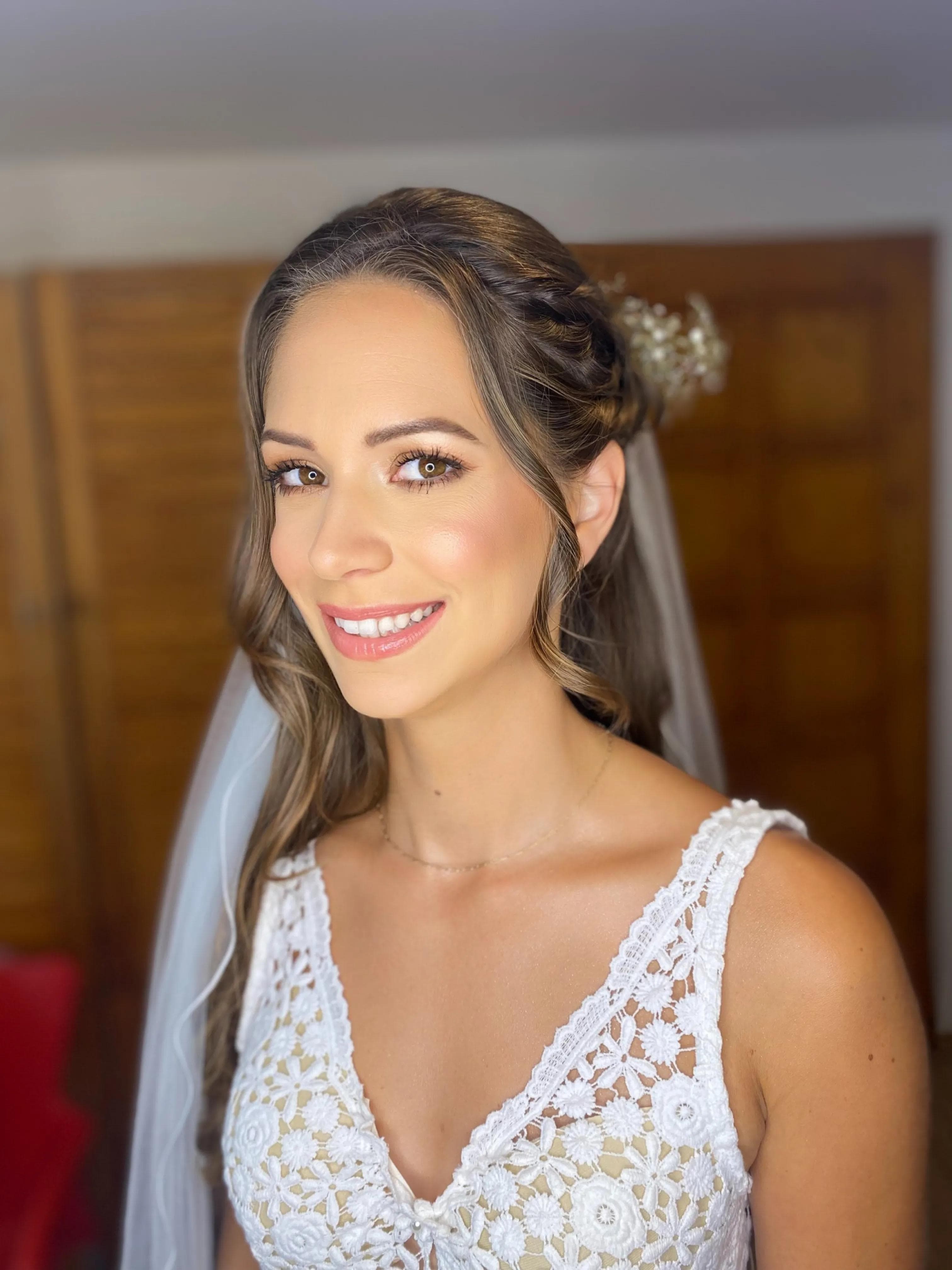
Ready to book your session?
Inspired? Bring your vision to life with Rima. Whether it's a bridal trial, editorial shoot, or a special night out - let's create something stunning.
Book with Rima