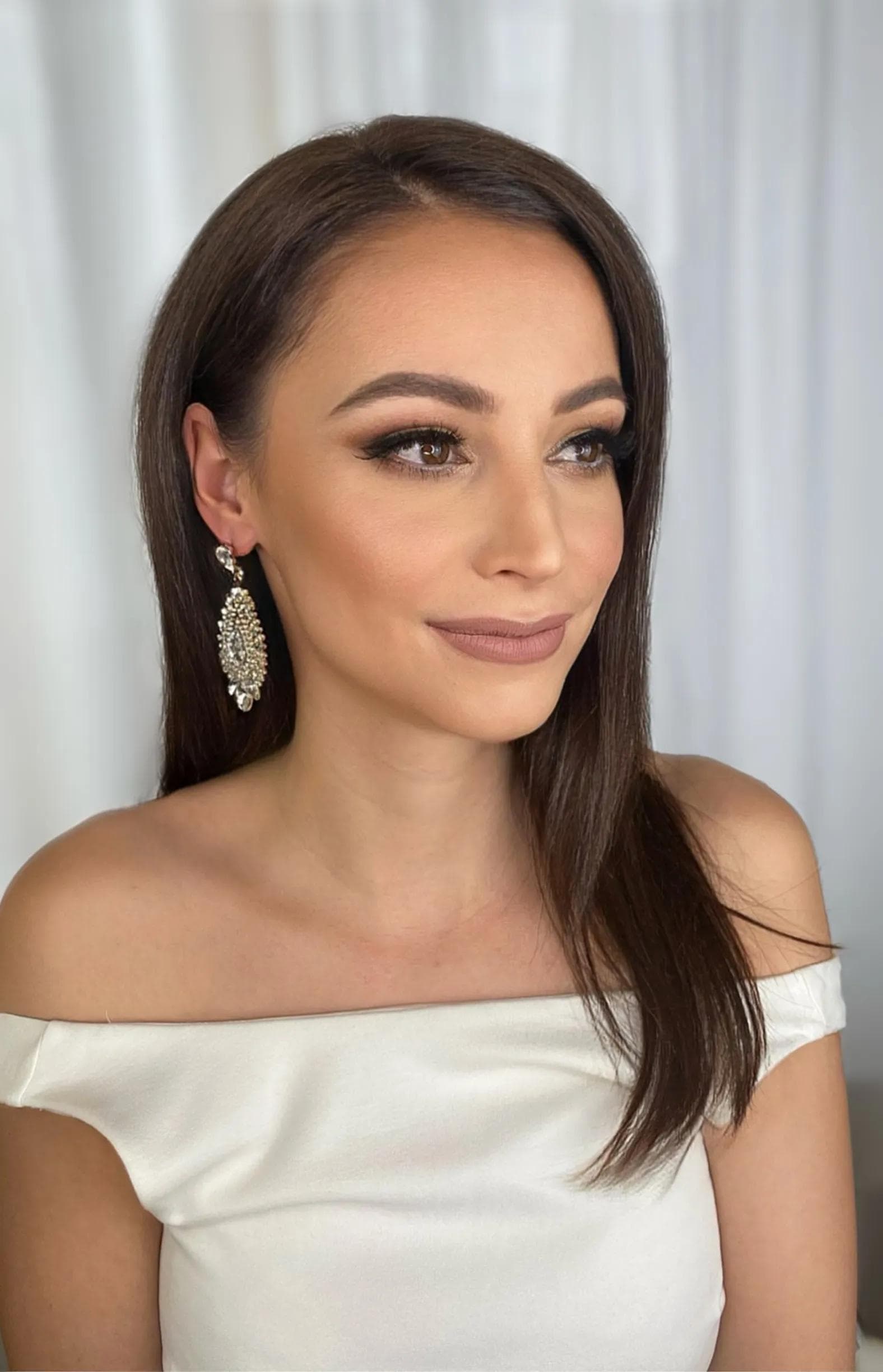
A Toronto Makeup Artist's Honest Guide to Clean Beauty
Clean beauty is everywhere right now - but what does it actually mean, what's worth your money, and what's just clever marketing? Here's my honest take.
Rima Zania
Professional Makeup Artist · Toronto
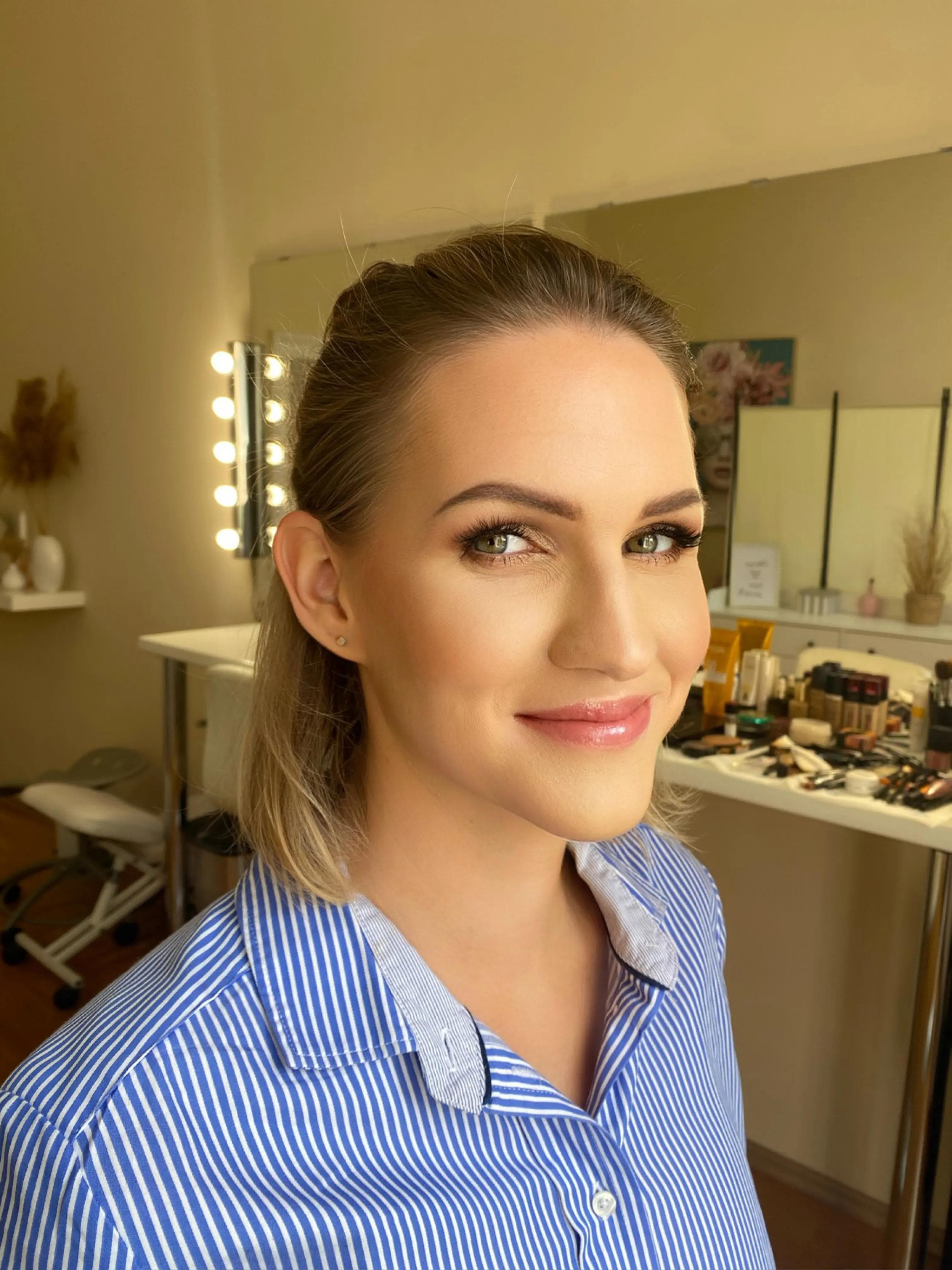
Quick Answer: "Clean beauty" in Canada has no standardized legal definition, which means any brand can use the term. As a Toronto-based makeup artist with 16+ years of experience, I define clean beauty practically: products formulated without ingredients linked to irritation, hormonal disruption, or harm, that are also verified to perform. Clean doesn't automatically mean better, and conventional doesn't automatically mean harmful. The key is learning to read labels and knowing what actually matters for your skin.
A Toronto Makeup Artist's Honest Guide to Clean Beauty
Let me tell you what prompted me to write this.
A client came in for a bridal trial a few months back, and she pulled out a bag of products she wanted me to use on her. Every single one had a clean beauty label - certified organic, non-toxic, plant-based, free from a list of ingredients I needed a chemistry degree to parse. She'd spent probably four figures on this haul.
The problem? When I tested a few of them on her skin, two caused immediate sensitivity. One foundation oxidized badly. The lip product bled outside her lip line within twenty minutes.
She'd been sold "clean" when what she actually needed was compatible - with her skin, her look, and the demands of a wedding day.
That experience crystallized something I'd been thinking about for a while: the clean beauty conversation is often missing the most important voices - people who actually work with these products on real faces, under real conditions, every single day.
So here's my honest take.
What "Clean Beauty" Actually Means (And Doesn't Mean)
In Canada, there is no regulated legal definition for "clean beauty." Health Canada does regulate cosmetics - it prohibits certain ingredients through the Cosmetic Ingredient Hotlist - but "clean beauty" as a marketing claim has no standard. Any brand can put it on a label.
The industry has created its own definitions, and they vary wildly. Some brands define clean as "free from parabens and sulfates." Others mean no synthetic fragrance, no petroleum-derived ingredients, certified organic formulas, or some combination of all of the above.
When I work with products and clients, I think about clean beauty through two practical lenses:
Formulation transparency. Are the ingredients listed clearly? Is the company forthcoming about what's in the product and why?
Clinical or professional evidence of performance. Does the product actually work? Does it hold up under real-world conditions - long wear, humidity, oily skin, photography flash?
A product can be "clean" by every marketing standard and still be wrong for your skin. And a product can contain conventional ingredients and be completely safe and high-performing for your specific skin type. My job is to find what works - not what has the best label.
The Ingredients Worth Actually Paying Attention To
I'm not here to fear-monger about ingredients. But there are a handful worth genuinely understanding:
Fragrance (parfum). This is the single most common cause of cosmetic allergic reactions, and it's present in both "clean" and conventional products. Fragrance can be disclosed simply as "fragrance" on a label, masking dozens of individual compounds - some of which are common sensitizers. If you have reactive skin, this is the first thing to eliminate.
Parabens. These are preservatives that have been a focal point of clean beauty debate. The research on parabens is genuinely nuanced - the concentrations typically used in cosmetics are much lower than levels shown to cause harm in studies, and regulatory bodies in Canada have found them safe at current usage levels. I don't stress about parabens personally, but I understand why clients with hormone-driven skin concerns might prefer to avoid them.
Mineral vs. chemical UV filters. In sunscreens, this distinction matters more than most. Mineral filters (zinc oxide, titanium dioxide) sit on the skin's surface and physically block UV rays. Chemical filters absorb UV energy and convert it. Some people experience sensitivity to chemical filters. For my bridal clients, I often prefer mineral options under makeup because they're less likely to cause issues on a high-stakes day.
Silicones. Often demonized in clean beauty circles, silicones are some of the most effective smoothing, filling, and longevity-extending ingredients in makeup. They are not absorbed into the skin in meaningful amounts. They don't inherently cause breakouts (though occlusive products of any kind can for some people). I use silicone-based primers and foundations regularly and with good reason - they work.
Synthetic dyes. Worth paying attention to around the eyes, where skin is thinner and absorption rates are higher. FD&C dyes have been associated with sensitivity reactions in some people. If you've had eye irritation from eye makeup, this is worth investigating.
Clean Beauty in Canada: What the Market Looks Like
Toronto has a genuinely strong and growing clean beauty market. I've seen it evolve significantly over the past decade. What's changed isn't just the products - it's the sophistication of the buyers.
A few years ago, "clean" mostly meant indie brands in small-batch packaging with limited pigment range and poor longevity. That's no longer true. The performance gap between the best clean formulas and conventional formulas has narrowed significantly.
Where clean beauty now genuinely holds up:
- Moisturizers and skincare-makeup hybrids - Tinted SPF products and primers - Cream blush and lip products - Brow products
Where conventional formulas still have an edge in professional work:
- High-coverage foundations required for photography, specifically for colour accuracy, longevity, and oxidation resistance - Waterproof eye products under very demanding conditions (outdoor summer weddings, emotional ceremonies) - Setting powders for oily skin or very long wear
I use a mix. Anyone who tells you one category is categorically superior to the other hasn't worked on enough faces.
What I Actually Look For When I Recommend Products
When a client asks me for a product recommendation - clean or not - I'm asking myself a few questions:
What's her skin type? A silicone-free formula that's beautiful on normal skin can pill or separate on very oily skin. A rich, emollient "clean" cream foundation might cause congestion for someone prone to breakouts.
What's the occasion? Day-to-day, you have a lot of flexibility. For a multi-hour event - especially one being photographed - performance requirements go up significantly. I need products that hold, don't oxidize under overhead lighting, don't separate in humidity, and read correctly on camera.
What does she actually care about? Some clients have genuine sensitivities and fragrance-free, minimal-ingredient formulas are genuinely the right call for them. Other clients are interested in clean beauty philosophically, and I respect that. Others just want whatever works best - full stop. My recommendation changes depending on which category she falls into.
Has she already patch-tested this at home? For clients who want to bring their own products, I always ask this. A wedding day is not a test environment.
My Gentle Reality Check on Clean Beauty Marketing
I want to be honest with you, because I think you deserve it. A lot of what gets branded as clean beauty is marketing, not science.
"Free from" lists are clever. They imply that the listed ingredients are harmful - which is often misleading. A product that's "sulfate-free" isn't necessarily gentler than one that contains gentle sulfates. A product "without parabens" may contain a different preservative that's less studied and potentially more irritating.
"The dose makes the poison" is a real principle in chemistry, and it applies directly here. Most ingredients that appear in clean beauty "free from" lists are safe at the concentrations used in cosmetics. The science on most of them is either settled (they're fine) or contested (researchers disagree) rather than conclusively damning.
This doesn't mean ingredient awareness is pointless. It means reading marketing claims with the same skepticism you'd apply to any other marketing claim. What's in the product? In what concentration? What does your skin actually respond to?
Building a Genuinely Clean Routine You'll Actually Stick To
If clean beauty is important to you - for personal, ethical, or skin-sensitivity reasons - here's how I'd approach building a routine:
Start with skincare, not makeup. Skincare products sit on your skin for hours or overnight. Makeup is typically on for a shorter period and sits on top of a barrier layer. If you're going to prioritize cleaner formulations anywhere, start with what stays on longest.
Make changes one at a time. Swapping your entire routine to "clean" products simultaneously makes it impossible to know what's helping or hurting. Replace one product, use it for four to six weeks, observe, then move to the next.
Fragrance-free is a reliable first filter. Whether from "natural" botanical sources or synthetic compounds, fragrance is the most common cosmetic sensitizer. If your skin is reactive, fragrance-free (not just "unscented" - these are different) is a smart starting point regardless of other formulation choices.
Don't pay a premium for fear. Some clean beauty brands are genuinely innovative and worth the price point. Others are conventional products repackaged with cleaner marketing. Learn to tell the difference by reading actual ingredient lists, not label claims.
Work with what your skin tells you. Ultimately, the best routine for you is the one your skin responds well to - full stop. Your skin doesn't know or care if a product is certified organic. It responds to ingredients, concentrations, and formulations.
My Professional Position, Honestly
I care about what I put on clients' faces. Deeply. I've worked on skin that's been compromised by poor formulations, sensitized by fragrance, or broken out from ingredients that weren't right for that person's chemistry.
I also know that the clean beauty industry, like any industry, has its share of products that overpromise and underdeliver. I've seen "natural" formulas perform beautifully and conventional ones fail. The reverse is equally true.
My position after 16 years of professional work on hundreds of faces across three continents: be informed, be curious, and hold your results over your values when it comes to what goes on your specific skin. The cleanest product in the world isn't serving you if it causes a reaction or doesn't hold up when it counts.
Ask questions. Read labels. Work with professionals who care about the same things you do.
And if you're a bride wanting to use clean beauty products on your wedding day - I love that, and I'm happy to help you find what works. Just give me enough lead time to test and verify. Your day is too important to leave to a label.
Frequently Asked Questions
Is clean beauty regulated in Canada? Not under a single standard. Health Canada's Cosmetic Ingredient Hotlist prohibits certain harmful ingredients in all cosmetics, regardless of how they're marketed. But "clean beauty" as a label has no legal definition in Canada. Any brand can use the term without meeting specific criteria. This makes label-reading and ingredient knowledge more important than trusting marketing claims.
What's the difference between clean beauty and natural beauty? These terms are often used interchangeably but mean different things to different brands. "Natural" generally refers to ingredients derived from natural sources (plants, minerals). "Clean" typically implies an absence of certain synthetic or controversial ingredients, regardless of source. A synthetic ingredient can be "clean" by many definitions. A natural ingredient can still be a sensitizer. Neither term guarantees compatibility with your skin.
Can I use clean beauty products for my wedding day makeup? Yes, with the right preparation. The key is giving yourself enough lead time to test products with your makeup artist before your wedding day. Not all clean beauty formulas perform equally under long-wear or photography conditions, but the best ones absolutely do. Bring your preferred products to your makeup trial so your artist can assess how they work together and on your skin.
Are there any ingredients I should always avoid? If you have sensitive or reactive skin, fragrance (listed as "parfum" or "fragrance") is the single most worth avoiding - it's the most common cosmetic sensitizer and can appear in both conventional and "clean" products. Beyond that, individual sensitivities vary significantly. There's no universal avoid list that applies to everyone. Getting patch-tested by a dermatologist or working through an elimination approach with an esthetician gives you far more reliable information than any generic list.
Does clean beauty cost more? It can, but not always. Some clean beauty brands are priced at a premium partly because of smaller production runs and higher-quality raw ingredients. Others charge a premium for the "clean" label itself. There are excellent, affordable options in both the clean and conventional categories at every price point. I always recommend prioritizing ingredient knowledge over price or label as your primary filter.
#clean beauty#Toronto makeup artist#non-toxic makeup#natural beauty#clean beauty Canada
Written by
Rima Zania
Toronto-based makeup artist with 16+ years of experience in bridal, editorial, and fashion beauty.
Learn more about Rima →Keep Reading
You Might Also Enjoy
Ready to book your session?
Inspired? Bring your vision to life with Rima. Whether it's a bridal trial, editorial shoot, or a special night out - let's create something stunning.
Book with Rima